Blue Planet
Finding North-West Passage, The Last Voyage Of Henry Hudson
It has been 400 years since English explorer Henry Hudson mapped the northeast coast of North America, contributing significantly to our understanding of the northeastern waterways geography. In his honor, several bodies of water that he navigated now bear his name: Hudson Bay, the Hudson River, and Hudson Strait, yet what happened to the famed explorer remains a mystery.
Not much is known about Henry Hudson’s early life prior to his first significant voyage in 1607. Most historians believe he was born around 1565 in England, and lived for some time in London. Most scholars also believe that Hudson’s grandfather was one of the founders of the Muscovy Company. This was a very important trading company of this time, and would be the reason Hudson would go on his voyages.
h,kjghkjgj
read more...The Lady in the Ice: Jeannette Expedition
The first USS Jeannette, a bark-rigged wooden steamship, was originally HMS Pandora, a Philomel-class gun-vessel of the Royal Naval force. The ship was built in 1861 at Pembroke Dockyard and was acquired in 1875 by Sir Allen Young for his arctic voyages in 1875-1876. The vessel was…
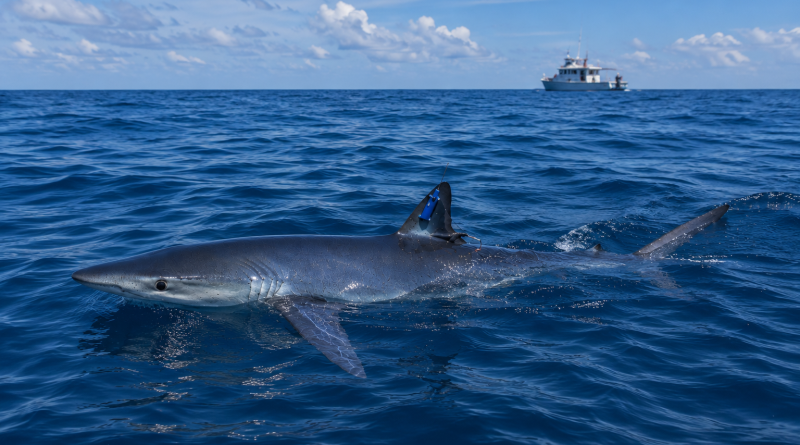
read more...Sharks become the ocean’s “living weather stations”: scientists learn to predict climate using predators
Imagine a shark that is not only hunting in the depths of the Atlantic Ocean, but also collecting valuable data for climate scientists at the same time. That is …
read more...Whales that time forgot: Arctic giants born before Moby-Dick
In the distant and icy waters of the Arctic swim titans that have outlived eras, wars, and discoveries. Some of them were already fully grown when Herman Melville was writing his great ode to obsession and tragedy — the novel Moby-Dick. And yes, a few of them still carry 19th-century harpoons in…
read more...The amazing Albatross, sea bird than can go years without landing
The flying ability of the albatross (Phoebastria albatrus) provided the inspiration for designing sophisticated aircraft capable of efficient flight. With its dynamic soaring method of flight, this 3.7-meter wingspan is capable of flying thousands of kilometers without flapping its wings at all. It is not surprising that the…
read more...Sea Otter, a highly specialized marine mammal
Physically similar to a bear, only smaller, sea otter spends its whole life in the water. Swimming, feeding, and hanging out freely with families and friends. This animal inhabits coastal environments, where it dives to the seabed to forage. Sea Otter or the scientific name Enhydra lutris, typically have a lifespan between 15 and 20 years…
read more...